
Table of Contents
- 1. Understanding Why Septic and Water Well Testing is Non-Negotiable for Rural Homes
- 2. Comprehensive Septic System Inspections: What We Evaluate Beyond the Surface
- 3. Water Well Testing Standards: Ensuring Your Family's Health and Safety
- 4. Aerobic Septic System Testing: Advanced Technology for Modern Rural Properties
- 5. Complete Water Quality Analysis: Bacteria, Chemicals, and Contaminant Screening
- 6. Same-Day Reporting: Why Immediate Results Matter for Your Purchase Timeline
- 7. Peace of Mind Through Expert Documentation: How Our Detailed Reports Protect Your Investment
- Frequently Asked Questions (FAQ)
1. Understanding Why Septic and Water Well Testing is Non-Negotiable for Rural Homes
When you’re buying a rural property, the stakes of your inspection go beyond what a standard home inspection covers. Unlike homes connected to municipal water and sewer systems, rural properties depend on private septic systems and water wells that require specialized testing. These systems can represent thousands of dollars in replacement costs if problems go undetected. We’ve completed comprehensive testing on hundreds of rural properties, and we’ve seen firsthand how critical proper septic and water well evaluation is to protecting your investment and your family’s health.
Rural properties operate independently from municipal infrastructure, which means the responsibility for water quality and waste management falls entirely on you as the property owner. A failing septic system or contaminated water well isn’t just an inconvenience; it’s a health hazard and a financial liability that can cost $10,000 to $25,000 or more to repair or replace.
Most standard home inspections don’t include comprehensive septic or water well testing because these systems require specialized knowledge and laboratory analysis. We treat septic and water systems as critical components that deserve the same level of scrutiny you’d apply to the foundation or roof. A property might look beautiful on the surface, but a failing drain field or bacterial contamination in your water supply can turn your dream home into a money pit.
The key insight: septic and water well problems rarely announce themselves until they’re expensive. Testing now, before you close, gives you leverage to negotiate repairs, request treatment systems, or walk away if issues are too severe. We recommend making septic and water testing a non-negotiable part of any rural property purchase agreement.
Actionable takeaway: Before submitting an offer on a rural property, explicitly include septic and water well testing contingencies in your purchase agreement. This protects you and ensures you have professional documentation to rely on during negotiations.
2. Comprehensive Septic System Inspections: What We Evaluate Beyond the Surface
A complete septic system inspection involves far more than a visual walk-around of the tank. We evaluate the entire system: tank location and condition, soil absorption area (drain field), distribution lines, and environmental factors that affect performance.
During inspection, we assess several critical elements:
- Tank structural integrity (cracks, settling, corrosion)
- Scum and sludge levels to determine if pumping is needed
- Distribution box condition and water flow
- Drain field saturation and visible signs of failure
- Proximity to water sources and property lines
- Soil composition and percolation rates
- Age of system components and expected lifespan
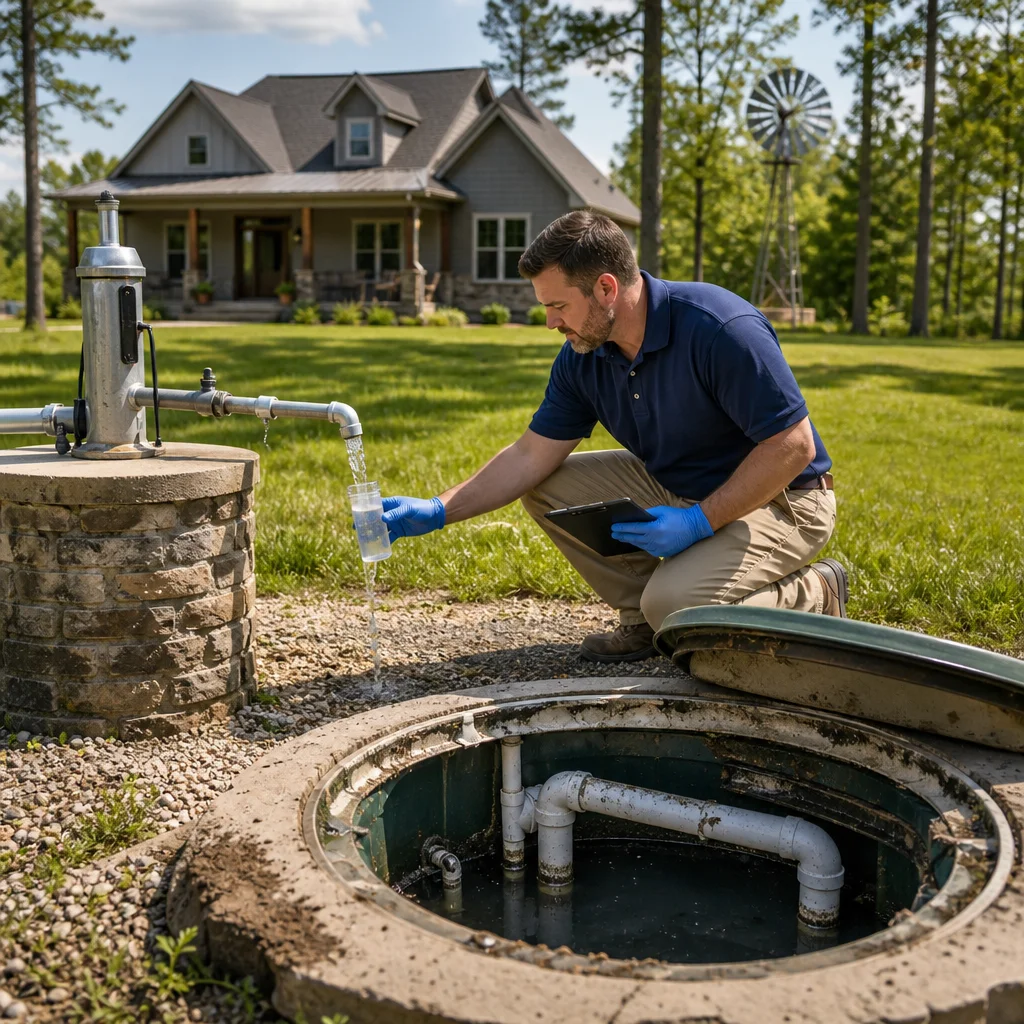
We look at the septic tank itself using visual inspection and, when warranted, we verify proper function and assess maintenance history. Many property sellers won’t provide complete maintenance records, so a professional evaluation is your only reliable way to know the system’s true condition. We document findings with photographs and detailed observations so you have concrete evidence of what’s working and what needs attention.
A properly functioning septic system should have clear separation between scum, liquid, and sludge layers. If those layers are mixed or the tank is backing up, you’re looking at expensive repairs. We also assess whether the drain field shows signs of saturation, wet spots, or odor problems that indicate the soil isn’t absorbing water effectively.
Actionable takeaway: Ask the seller or real estate agent for septic pump-out records and any maintenance documentation. If records are incomplete or unavailable, that’s a red flag that warrants closer inspection during your assessment.
3. Water Well Testing Standards: Ensuring Your Family’s Health and Safety
Your well water isn’t automatically safe just because it comes from the ground. Testing for bacteria, minerals, chemicals, and contaminants is essential to protecting your family’s health. We follow comprehensive water testing standards that go well beyond what most buyers assume a home inspection includes.
Safe drinking water requires testing for:
- Coliform bacteria (indicator of contamination)
- E. coli and other pathogens
- Nitrates (linked to agricultural runoff or septic issues)
- pH levels and hardness
- Arsenic and heavy metals
- Iron, manganese, and other minerals that affect taste and plumbing
- Pesticides and volatile organic compounds (if environmental risk factors exist)
Many homebuyers assume “the well has been fine for years, so it must be safe.” That’s not reliable. Well water quality can change due to seasonal variation, nearby agricultural activity, septic system failure, or natural geological factors. The only way to know your water is actually safe is to test it through a certified laboratory.
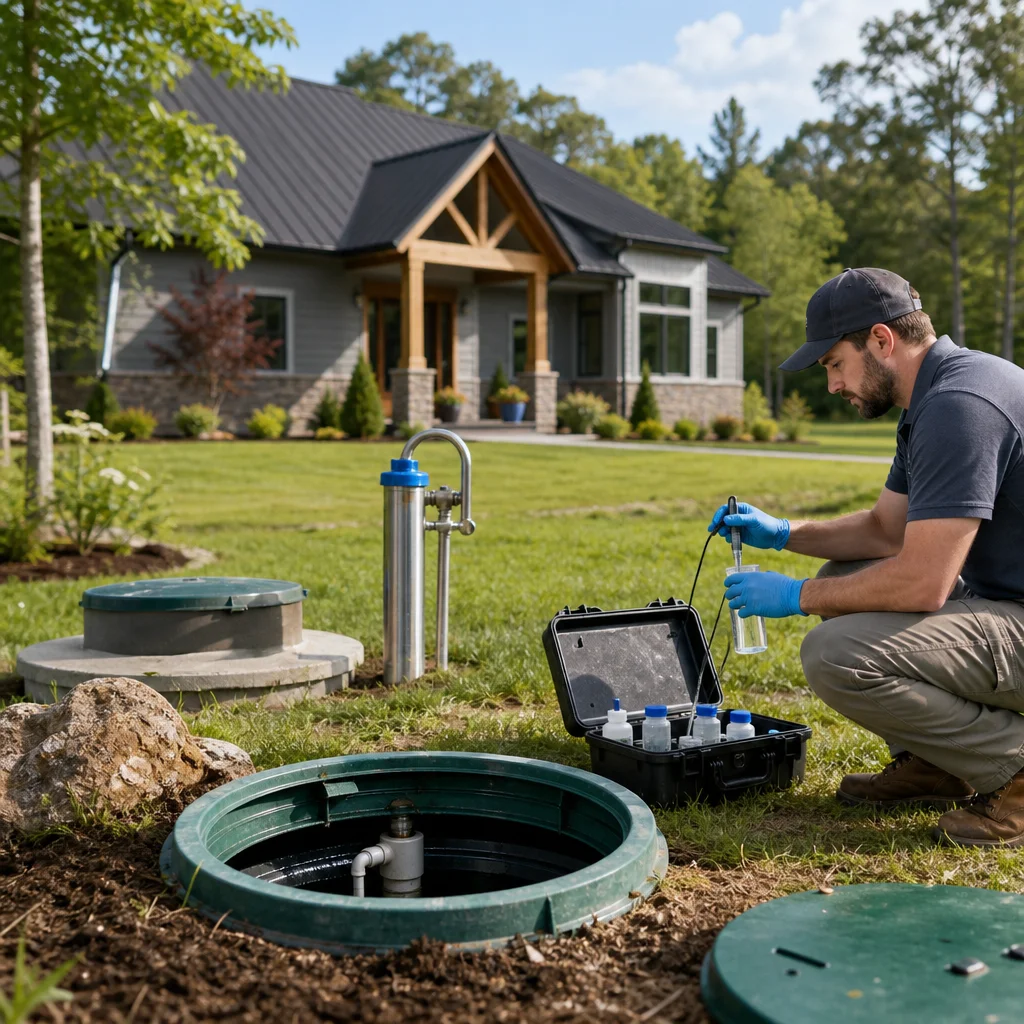
We collect samples under proper protocols to ensure accurate results. Improper collection or storage can skew results, so working with an inspector who understands sampling procedures protects you from false negatives. If testing reveals contamination, we document findings clearly so you can make informed decisions about water treatment options or renegotiate the purchase.
Actionable takeaway: Request water well testing as a separate line item in your home inspection agreement. Don’t assume a well has been tested recently; get current baseline data before closing.
4. Aerobic Septic System Testing: Advanced Technology for Modern Rural Properties
Aerobic septic systems (also called aerobic treatment units or ATUs) are more complex than conventional gravity-fed systems. They use mechanical aeration and treatment processes to improve waste breakdown and soil absorption. If your potential rural home has an aerobic system, it requires specialized knowledge to evaluate properly.
We assess aerobic systems by checking:
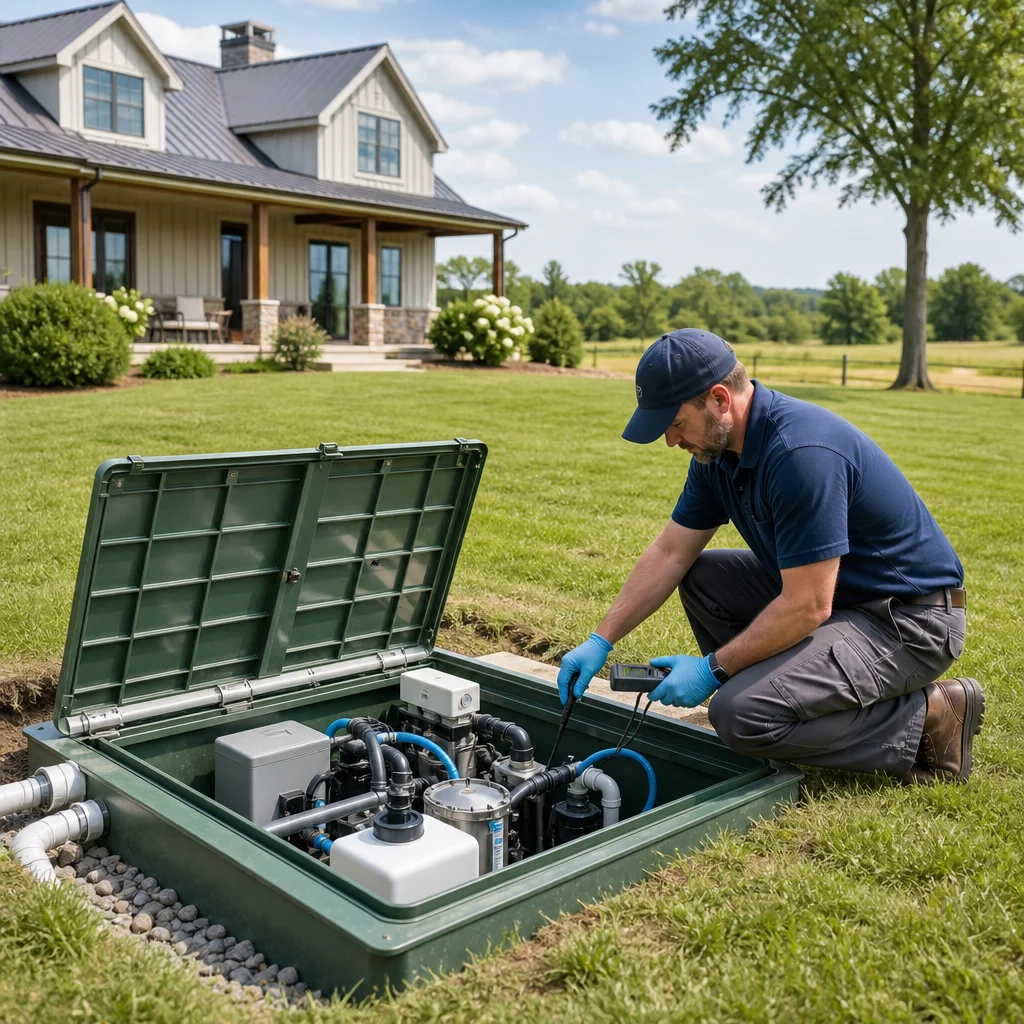
- Aeration motor function and condition
- Control panel settings and alarm status
- Tablet chlorinator operation (if disinfection is part of the system)
- Timer operation and cycling performance
- Treatment tank internal condition and baffles
- Effluent quality and clarity
- Electrical connections and safety features
Aerobic systems demand regular maintenance and power supply to operate. If the power goes out or the motor fails, the system stops treating waste. We verify that the system is functioning actively, not just sitting in your yard unused. We also check maintenance records to confirm the system has received proper service, because neglected ATUs fail much faster than conventional systems.
The complexity of aerobic systems means problems can develop quickly if maintenance lapses. We document the system’s operational status and provide clear guidance on what maintenance it requires going forward. If the system is aging or showing signs of wear, we’ll flag that so you understand the replacement timeline and costs.
Actionable takeaway: If the property has an aerobic system, ask the current owner for all service records and maintenance documentation. Budget for annual professional maintenance going forward; it’s not optional like it can be with conventional septic systems.
5. Complete Water Quality Analysis: Bacteria, Chemicals, and Contaminant Screening
Water quality testing is where detailed laboratory analysis becomes essential. Visual inspection of a well can’t tell you what’s in the water. Testing reveals the invisible problems that cause illness, staining, odor, or corrosion.
Bacteria testing is non-negotiable. If coliform bacteria or E. coli is present, your water isn’t safe to drink, cook with, or bathe in without treatment. Nitrate contamination suggests either septic system leakage or agricultural runoff, both of which require investigation. Heavy metals like arsenic occur naturally in some geological areas and demand water treatment if levels are elevated.
We coordinate with certified laboratories to analyze samples using proven methods. Results come back with clear thresholds showing whether your water meets EPA drinking water standards. If contamination is detected, we provide context: is it treatable with a carbon filter, or does it require a more comprehensive treatment system? Some issues are dealbreakers; others are manageable with proper equipment.
The advantage of testing before you buy is that you’re not trapped with a water quality problem after closing. Testing gives you negotiating power to request seller-funded treatment systems, repair escrows, or price reductions that account for remediation costs.
Actionable takeaway: Don’t rely on taste or smell to assess water quality. Even water that tastes fine can contain harmful bacteria or chemicals. Order laboratory testing as part of your pre-purchase inspection.
6. Same-Day Reporting: Why Immediate Results Matter for Your Purchase Timeline
Real estate timelines move fast. Inspection contingency periods are typically 7 to 10 days, and every day matters when you’re waiting for critical information. We understand that delays can jeopardize your purchase, so we prioritize rapid documentation.
Our same-day reporting process means you have detailed inspection findings and initial observations available before you leave the property. For laboratory water testing, we coordinate with facilities that prioritize quick turnaround while maintaining accuracy. You’re not left guessing or waiting weeks for results when your purchase timeline is ticking.
Same-day documentation also gives you time to review findings carefully, consult with contractors for repair estimates, or negotiate with the seller before your inspection contingency expires. Rushed inspections and delayed reports force hasty decisions; thorough testing with quick reporting gives you breathing room to make confident choices.
We provide detailed written reports with photographs and clear explanations of our findings. This documentation becomes crucial if you need to negotiate repairs or request price adjustments based on septic or water issues. The seller can’t dismiss findings or claim they were never notified when you have professional documentation in hand.
Actionable takeaway: Confirm that your inspection company can deliver same-day reporting before booking. Ask how they handle laboratory water testing turnaround and whether results will arrive before your contingency deadline.
7. Peace of Mind Through Expert Documentation: How Our Detailed Reports Protect Your Investment
A home inspection report is your official record of the property’s condition on the day of inspection. For septic and water systems, that documentation is evidence you’ll refer to for years as you own the property.
We provide comprehensive reports that include:
- Detailed descriptions of all system components evaluated
- Photographs of conditions, tank locations, and drain field areas
- Test results with clear explanations of what numbers mean
- Maintenance recommendations prioritized by urgency
- Estimated useful life of system components
- Cost guidance for repairs or replacements (when appropriate)
- Treatment or remediation options if contamination is found
This documentation protects you in several ways. First, it gives you negotiating leverage before closing. Second, it establishes baseline conditions so you know what was and wasn’t your responsibility if problems develop later. Third, it guides your maintenance planning so you can budget for septic pumping or well testing on appropriate schedules.
When you work with us, you’re getting the benefit of over 3,700 completed inspections and years of experience evaluating rural property systems. That expertise translates to thorough evaluation and clear communication about what you’re buying. We’re committed to explaining findings in straightforward language so you understand exactly what’s happening with your septic and water systems.
Actionable takeaway: Keep your inspection report and water testing results in a dedicated file. Update this documentation annually with septic pump-out receipts and any water testing you conduct. This complete record becomes valuable if you ever sell the property or encounter system issues.
—
Buying a rural property requires specialized attention to systems that urban and suburban buyers never worry about. Septic and water testing isn’t a luxury add-on; it’s foundational due diligence that protects your investment and your family’s health. We recommend making septic and water well testing mandatory components of your purchase agreement, completed by inspectors who understand these systems at a professional level. When you’re ready to move forward with confidence on a rural property purchase, we’re here to provide the comprehensive testing and clear documentation you need. Reach out to schedule your septic and water well testing before your inspection contingency deadline expires.
For further reading: Home inspection services.
Frequently Asked Questions (FAQ)
What’s included in our septic and water well testing?
We conduct a complete evaluation of your septic system’s tank condition, drain field performance, and operational status, along with comprehensive water quality testing that screens for bacteria, nitrates, chemicals, and other contaminants. Our aerobic septic system evaluations utilize advanced technology to assess modern systems, and we test private wells against established safety standards to protect your family’s health. We deliver all findings in a detailed same-day report so you have the information you need quickly.
Why can’t we skip septic or well testing on rural properties?
Septic systems and private wells are typically not covered by municipal oversight, meaning you’re responsible for their safety and functionality. We’ve completed over 3,700 inspections and regularly identify issues that could cost thousands to repair after purchase, from failing drain fields to contaminated water supplies. Testing before you buy ensures you understand exactly what you’re inheriting and can negotiate repairs or pricing accordingly.
How long does our septic and water well testing take?
We complete the physical inspection and water sampling in a single visit, typically taking a few hours depending on property size and system accessibility. Our laboratory analysis of water samples follows quickly, and we provide your complete report the same day so your purchase timeline stays on track. This efficiency means you get the documentation you need without delays during the closing process.