Table of Contents
- Why Your Home Inspection Matters More Than You Think
- Red Flags That Signal an Inexperienced Inspector
- The Critical Difference Between Basic and Comprehensive Inspections
- Essential Services You Should Expect: Beyond the Standard Walkthrough
- How We Deliver Same-Day Reports for Your Peace of Mind
- Technology and Tools That Separate Quality Inspections From Average Ones
- What Our 3,700+ Inspections Reveal About Getting It Right
- Questions to Ask Before Hiring Your Home Inspector
- Understanding Your Inspection Report and What It Really Means
- Why Specialty Testing Protects Your Investment
- Our Commitment to Thoroughness and Your Home's Safety
- Frequently Asked Questions (FAQ)
Why Your Home Inspection Matters More Than You Think
Buying a home is likely the largest financial decision you’ll make. A thorough home inspection protects that investment by uncovering issues before you sign the final paperwork. Yet not all home inspection companies deliver the same level of detail or expertise. Understanding what separates a quality inspector from an average one helps you make a confident choice.
A home inspection is your opportunity to learn exactly what you’re purchasing. It reveals structural concerns, safety hazards, system failures, and maintenance issues that might cost thousands to repair after closing. Without one, you’re essentially buying blind.
Beyond the financial angle, an inspection gives you negotiating power. If the inspector finds significant problems, you can ask the seller to repair them, lower the price, or walk away entirely. This leverage disappears if you skip the inspection or hire someone who misses critical issues.
A thorough assessment also provides a baseline for maintenance. When you understand your home’s condition from day one, you can budget for upcoming repairs and plan preventive care. Many first-time homebuyers discover that a detailed inspection report becomes their most valuable homeownership resource in year two and beyond.
Next step: Start your inspector search early, ideally as soon as your offer is accepted. This allows you to schedule promptly and receive findings before your inspection contingency expires.
Red Flags That Signal an Inexperienced Inspector
Not every person calling themselves a home inspector has the training or diligence to do the job properly. Watch for these warning signs when evaluating your options.
Inspectors who rush through homes are a major concern. A thorough residential inspection typically takes two to three hours. If someone promises to finish in under 90 minutes or schedules multiple inspections back-to-back, they’re cutting corners. Quality work requires time to examine every system, test components, and document findings.
Vague communication is another red flag. Your inspector should explain what they’re looking at and why. If they use jargon without clarifying it, dismiss concerns too quickly, or seem uncomfortable answering questions, that suggests limited experience or confidence in their findings.
Be wary of inspectors who lack proper credentials or affiliations. Professional inspectors maintain memberships with recognized organizations, carry liability insurance, and follow ethical guidelines. Ask about their training, certifications, and years of experience. Someone with three decades of hands-on construction or HVAC work brings valuable expertise that newer inspectors simply haven’t accumulated yet.
Inspect their report samples before hiring. Reports should include photographs, clear descriptions of issues, and recommendations for next steps. A one-page checklist is insufficient for a property assessment.
Next step: Request references from at least three past clients and actually call them. Ask whether the inspector was thorough, professional, and easy to work with.
The Critical Difference Between Basic and Comprehensive Inspections
Entry-level inspections hit the main categories: roof, foundation, electrical, plumbing, and HVAC systems. They give you a surface-level overview and catch obvious problems.
A comprehensive inspection goes deeper. We examine every accessible component, including interior and exterior walls, attics, crawl spaces, basements, and foundation conditions. We test all systems under real-world conditions, inspect every outlet and switch, check water pressure and drainage, evaluate insulation levels, and document the age and condition of major appliances.
The difference matters because basic inspections often miss issues that comprehensive ones find. A roof might look fine from the ground but have significant damage visible from above. Plumbing problems hide behind walls until water damage becomes visible. Electrical concerns don’t show up on a walk-through checklist.
Comprehensive inspections also include observations about maintenance needs, safety concerns, and code compliance issues. This level of detail helps you understand not just what’s wrong, but what needs attention in the coming years.
Next step: Ask your inspector candidate whether their standard inspection is basic or comprehensive. Request their full checklist of items covered, and compare it against multiple inspectors to understand the scope differences.
Essential Services You Should Expect: Beyond the Standard Walkthrough
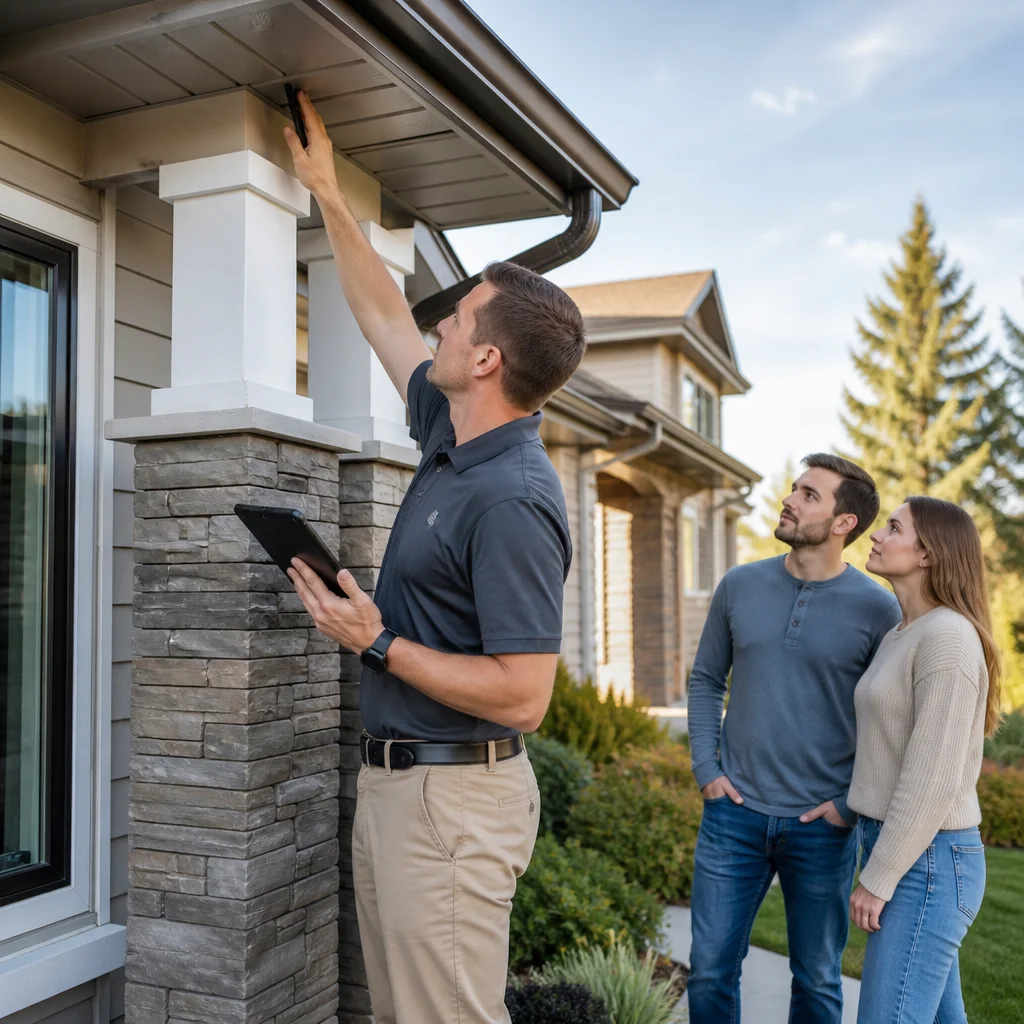
A quality home inspection company offers more than just the standard walkthrough. We provide home inspection services that address specific concerns and property types.
New construction inspections deserve special attention. Newly built homes have different issues than established ones. Inspectors should verify that construction meets code, check for incomplete work, ensure proper installation of systems, and identify cosmetic punch-list items before you take possession.
Specialty testing expands protection beyond the general inspection. Pool and spa inspections evaluate equipment safety and water chemistry. Septic and water well testing assess system functionality and water quality. Lead paint testing, water testing, and mold screening identify environmental hazards that standard inspections don’t evaluate.
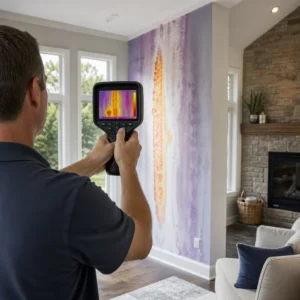
Thermal imaging using infrared technology detects heat loss, moisture intrusion, and electrical hot spots that the naked eye cannot see. Free infrared scans are increasingly standard because they reveal hidden problems behind walls and ceilings.
These services aren’t luxuries. They’re targeted solutions for genuine risks. A home with an older septic system warrants septic testing. A property with a pool requires pool inspection. A house built before 1978 should include lead paint assessment.
Next step: List any specific concerns about the property (pool, well, age, previous water damage) and ask your inspector whether they offer testing for each concern. Comprehensive companies handle most or all of these in-house.
How We Deliver Same-Day Reports for Your Peace of Mind
After we complete your inspection, you shouldn’t wait days to understand your home’s condition. We deliver same-day inspection reports so you can make decisions quickly.
Detailed reports include photographs of concerns, descriptions of findings, and recommendations for repair or further evaluation. Rather than vague language, quality reports explain what we found, why it matters, and what you should do next. If we identify a roof leak, we don’t just note “roof needs attention.” We describe the location, severity, and whether repair or replacement is recommended.
Same-day delivery matters because it respects your timeline. Your inspection contingency may expire within ten days. Your real estate agent needs findings to support negotiations. You need clarity before committing hundreds of thousands of dollars. Waiting a week for results creates stress and delays decisions.
Digital report access means you can review findings immediately on your phone, tablet, or computer. You can share the report with contractors to obtain repair estimates, discuss concerns with your real estate agent, or present findings to the seller. The inspector’s documentation becomes evidence during negotiations.
Next step: Confirm your inspector’s report delivery timeline before booking. Same-day or next-day delivery should be the standard, not an exception.
Technology and Tools That Separate Quality Inspections From Average Ones
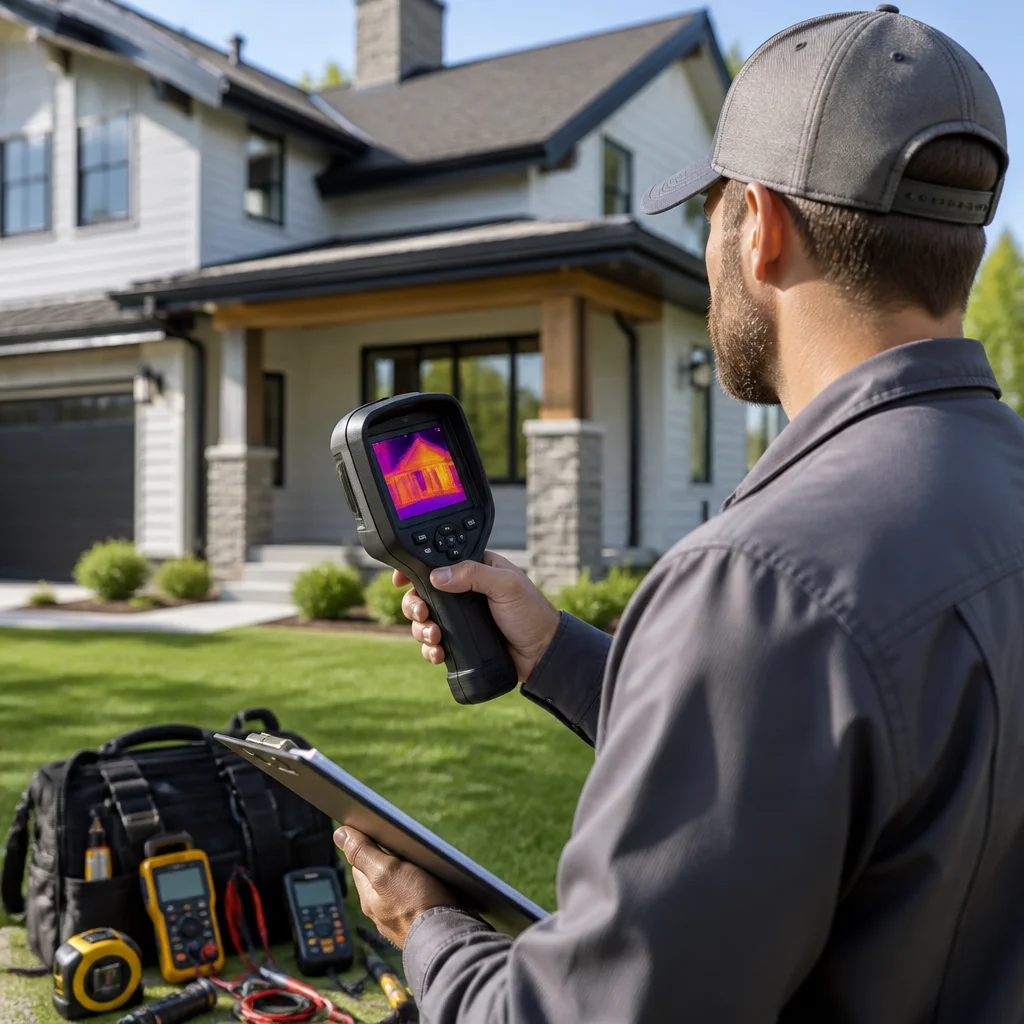
Modern inspection technology elevates thoroughness and documentation. We use infrared thermal imaging, moisture meters, multimeters, and specialized equipment to evaluate systems beyond basic observation.
Thermal imaging detects temperature variations that indicate problems. A cold spot on a wall might reveal missing insulation or water intrusion. An electrical panel hot spot suggests an overloaded circuit or poor connection. Thermal imaging is particularly valuable for identifying hidden moisture damage before mold develops.
Moisture meters quantify water content in building materials. Rather than guessing whether a wall is damp, inspectors can measure exact moisture levels and identify areas at risk for mold or rot.
Multimeters test electrical circuits, outlets, and switches. Rather than just checking whether something works, proper testing confirms proper grounding, adequate voltage, and safety.
Digital documentation during the inspection means every finding gets photographed. These images become part of the report, giving homebuyers clear visual evidence of conditions they might not fully understand through description alone.
Inspectors without modern tools rely on assumptions and visual guessing. That approach misses many genuine concerns.
Next step: Ask your inspector what specialized equipment they use and why. Any inspector worth hiring should have a thermal imager, moisture meter, and multimeter as basic tools.
What Our 3,700+ Inspections Reveal About Getting It Right
After completing over 3,700 residential inspections, patterns emerge about what separates homes that maintain value from those that deteriorate rapidly.
The most common costly surprises are foundation issues, roof problems, and plumbing failures. These often go unnoticed during casual inspections because they develop gradually or hide behind finished surfaces. A thorough inspection catches foundation cracks early, identifies roof deterioration before leaks begin, and locates plumbing vulnerabilities before water damage spreads.
Electrical concerns appear frequently in older homes. Outdated panels, insufficient grounding, and overloaded circuits create safety hazards and fire risks. Proper electrical inspection catches these issues so homeowners can prioritize remediation.
HVAC systems fail without warning when maintenance is neglected. Inspectors who properly evaluate heating and cooling systems help homeowners understand whether systems will last years or months.
Perhaps most importantly, our experience shows that thorough documentation prevents disputes later. When an inspector photographs conditions, test results, and findings, there’s clear evidence of the property’s state at the time of inspection. This protects both buyers and sellers.
Next step: When interviewing inspectors, ask about their experience with the specific age and style of home you’re buying. Longer experience with similar properties means they’ll recognize issues relevant to your situation.
Questions to Ask Before Hiring Your Home Inspector
Asking the right questions helps you evaluate whether an inspector is thorough and professional.
Ask about experience and credentials. How many inspections have they completed? Are they licensed and certified? Do they belong to professional organizations? Years of experience matter because each inspection builds expertise.
Clarify what’s included in their standard inspection. Does it cover the attic and crawl space? Will they test all systems? Do they perform water pressure and drainage tests? Will they inspect pool or spa equipment if present? Understanding scope prevents surprises about what you’re actually getting.
Ask about specialty services. Can they test for lead, mold, radon, or water quality? Do they offer thermal imaging? Can they inspect septic and water well systems? Do they evaluate new construction differently than resale properties?
Discuss report format and timeline. When will you receive the report? What does it include? Can you access it digitally? Will they explain findings during or after the inspection?
Ask about their approach to communication. Will the inspector explain what they’re doing as they work? Are they available to answer questions after the inspection? Do they provide repair referrals or just identify problems?
Next step: Create a comparison spreadsheet listing these questions and answers for each inspector you consider. This side-by-side view makes the best choice obvious.
Understanding Your Inspection Report and What It Really Means
An inspection report is a detailed document, not a simple yes-or-no assessment. Understanding how to read it prevents misunderstanding findings.
Reports typically categorize findings as: immediate safety concerns, significant issues needing repair, minor maintenance items, and observations about future maintenance. Don’t treat all categories equally. A safety hazard needs immediate attention. A roof that needs replacement in five years is important but different from an electrical hazard that could cause fire today.
Good reports include photographs showing exactly what inspectors found. If someone describes “foundation cracks,” seeing the actual cracks helps you assess severity. Photos also give contractors concrete information when you request repair estimates.
Reports should explain why findings matter. Rather than listing problems, quality inspectors contextualize them. A foundation crack matters because it might indicate settling, poor drainage, or structural movement. Understanding the “why” helps you decide on urgency and next steps.
Reports often recommend further evaluation by specialists. When an inspector identifies a potential HVAC problem, they might recommend having an HVAC technician evaluate it. This isn’t buck-passing. It’s professional honesty. General inspectors can identify that something might be wrong, but specialists diagnose and repair.
Next step: After receiving your report, schedule a separate conversation with your inspector if anything is unclear. Quality inspectors expect and welcome these discussions.
Why Specialty Testing Protects Your Investment
Beyond the standard inspection, specialized testing addresses specific risks relevant to your property.
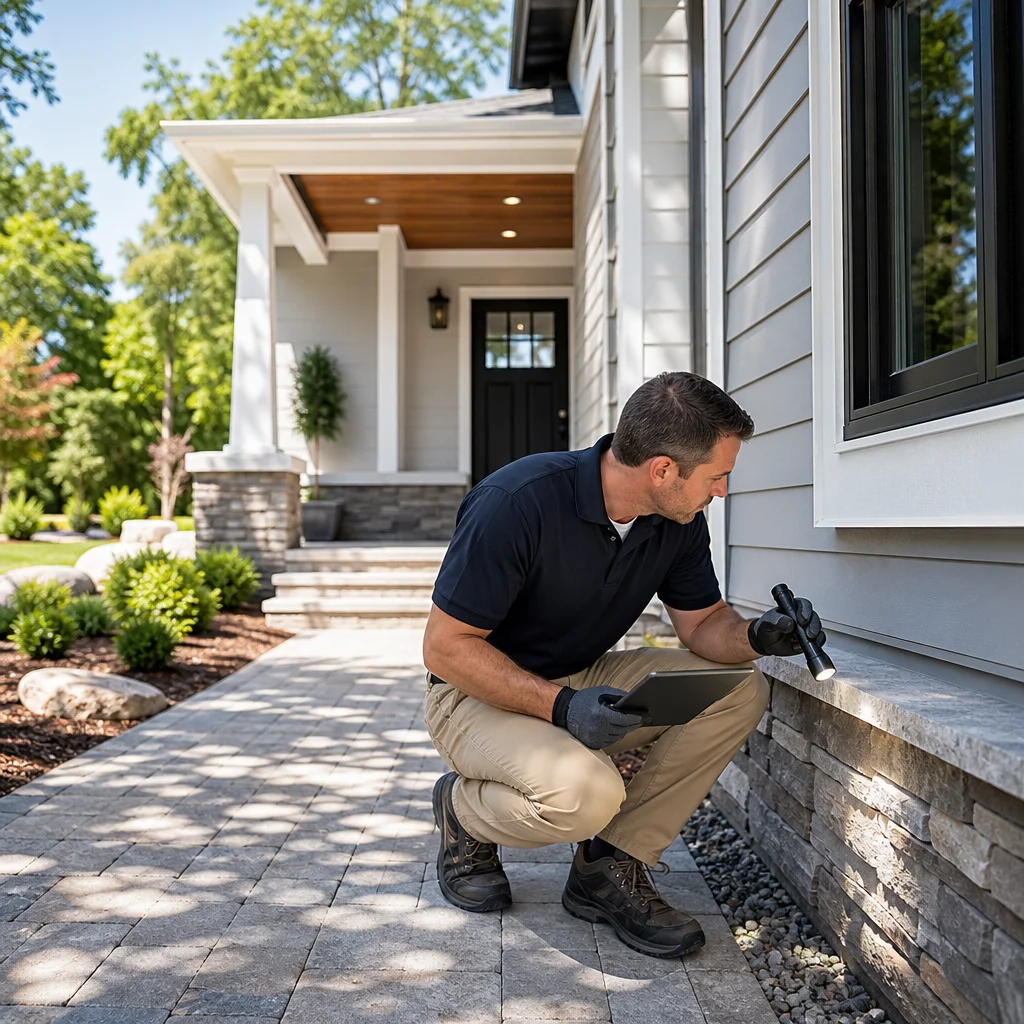
Water testing evaluates whether your water supply is safe. If the home uses a private well, testing checks for bacteria, nitrates, and chemical contamination. If municipal water serves the home, your inspector might still recommend testing if you have specific health concerns.
Septic system inspections evaluate whether the system is functioning properly and estimate its remaining useful life. A failing septic system costs $10,000 to $25,000 to replace. Knowing its condition before purchase prevents catastrophic post-closing surprises.
Lead paint testing applies to homes built before 1978. Lead exposure, particularly for children and pregnant women, creates serious health risks. Testing identifies whether paint, dust, or soil contain lead so you can remediate if needed.
Radon testing detects this odorless, colorless gas that can accumulate in basements. Radon exposure increases lung cancer risk. Testing requires a specific process and specialized equipment, making it a separate service from general inspection.
Pool and spa inspections examine equipment safety, water chemistry, and structural integrity. A pool is a significant asset that requires proper maintenance and carries liability if it injures someone.
These services exist because general home inspections cannot evaluate everything comprehensively. Specialty testing targets genuine risks specific to your property.
Next step: Discuss with your real estate agent which specialty tests make sense for your property based on its age, location, and features.
Our Commitment to Thoroughness and Your Home’s Safety
We approach every inspection as if it were our own home. That means spending the time necessary to examine every accessible area, testing every system properly, and documenting everything clearly.
Thoroughness requires expertise. Our inspectors understand construction, electrical systems, plumbing, HVAC, and structural principles because we invest in ongoing training and real-world experience. We don’t cut corners or rush through homes to maximize appointments per day.
Clear communication is fundamental. We explain what we’re looking at, why it matters, and what we recommend. You should never wonder whether a finding is serious or minor. Our reports and conversations make that distinction obvious.
Same-day reporting respects your timeline and decision-making process. You’re making a major financial commitment, and you deserve prompt, detailed information to make that decision confidently.
Professional integrity guides our work. We identify problems without exaggeration and acknowledge when situations are normal for a home’s age or construction type. We’re honest about what we found and what it means, not alarmist or dismissive.
When you hire us for your home inspection, you’re getting the benefit of thousands of completed inspections, professional certifications, modern equipment, and a commitment to your peace of mind. Your home’s safety and your confidence in your purchase matter to us.
Next step: Contact us to discuss your inspection needs and schedule your assessment. We’re ready to provide the thorough, professional evaluation your home deserves.
Frequently Asked Questions (FAQ)
What makes a comprehensive inspection different from a basic one?
We go beyond the standard walkthrough by including free infrared thermal imaging to detect hidden moisture and insulation issues that aren’t visible to the naked eye. Our comprehensive assessments cover structural integrity, all major systems, and we offer specialty testing like aerobic septic systems, water wells, and pool inspections when your property needs them. We believe thorough documentation protects your investment far better than a surface-level evaluation.
How quickly will we receive our inspection report?
We deliver same-day inspection reports so you can make informed decisions without unnecessary delays in your buying process. Our detailed documentation is provided the same day we complete the on-site assessment, giving you the information you need when you need it most. This efficiency doesn’t compromise our thoroughness; we’ve completed over 3,700 inspections using the same rigorous standards every single time.
What should we ask a home inspector before hiring them?
Ask about their specific experience with your property type and age, what specialty services they offer beyond standard inspections, and how they document their findings. We recommend inquiring about their use of advanced technology like thermal imaging and whether they provide same-day reports. You should also ask about their background and qualifications, and we’re happy to discuss our inspection methodology and how we can address your particular concerns about the property.