Table of Contents
- Why Your Home Inspection Matters More Than You Think
- What Happens During a Professional Home Inspection
- How We Conduct Comprehensive Assessments
- Understanding Your Detailed Inspection Report
- Specialty Testing That Protects Your Investment
- Red Flags We Identify to Save You Money
- Same-Day Reports Keep Your Timeline on Track
- Your Next Steps After Receiving the Inspection Report
- Frequently Asked Questions (FAQ)
Why Your Home Inspection Matters More Than You Think
Purchasing a home is likely the largest financial decision you’ll make in your lifetime. A professional home inspection is your safeguard against costly surprises that could derail your investment or create safety hazards for your family.
Without a thorough inspection, you’re essentially buying blind. A property might look move-in ready on a walkthrough, yet conceal serious issues: foundation cracks, outdated electrical systems, roof deterioration, or plumbing failures that could cost tens of thousands to repair. We’ve completed over 3,700 residential inspections and consistently uncover problems that weren’t visible during casual viewings.
Think of an inspection as due diligence. Your real estate agent can tell you about curb appeal; your lender can confirm the mortgage amount. Only an inspection reveals the true structural and mechanical condition of the property. This clarity gives you negotiating power, allows you to budget for repairs, and most importantly, ensures you’re making an informed decision about a property where your family will live.
The inspection process also protects your timeline. Identifying issues early means you can address them before closing, renegotiate terms, or walk away if problems are too severe. Waiting until after purchase to discover a failing septic system or faulty wiring is a scenario no buyer wants to face.
What Happens During a Professional Home Inspection
A typical home inspection takes 2 to 4 hours, depending on the property’s size and age. During this time, we systematically evaluate every major system and component of the house.
You’re welcome to be present during the inspection, and many buyers find this educational. As we work through the property, we’ll explain what we’re assessing and point out relevant details. This isn’t a pass-fail test; it’s a comprehensive walkthrough designed to document the property’s current condition.
Here’s what the process generally includes:
- Examining the roof, gutters, and exterior for damage or wear
- Testing electrical outlets, switches, and the main panel
- Inspecting plumbing fixtures, water pressure, and drainage
- Evaluating heating and cooling systems for proper operation
- Checking walls, ceilings, and floors for structural concerns
- Assessing insulation and ventilation in attics and crawl spaces
- Testing doors, windows, and locks for function and security
- Reviewing appliances that are included in the sale
We document findings with detailed photographs and notes. Nothing is assumed or skipped. If a room or system shows signs of concern, we investigate further rather than move on. This thoroughness is what separates a rushed inspection from one that truly protects your interests.
How We Conduct Comprehensive Assessments
Our approach combines systematic methodology with practical expertise. We follow the standards established by InterNACHI (International Association of Certified Home Inspectors), which ensures consistency and professionalism across every inspection we perform.
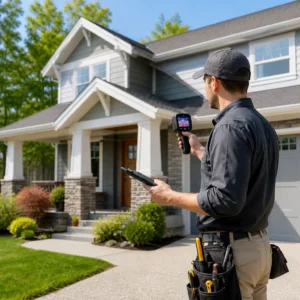
We arrive with specialized tools designed to uncover problems that the untrained eye would miss. Moisture meters detect hidden water damage behind walls. Electrical testers verify proper grounding and safety. Thermal imaging cameras reveal temperature variations that signal insulation gaps, air leaks, or hidden moisture problems. Our free infrared scans often identify issues in attics, walls, and basement areas that aren’t apparent during a standard visual inspection.
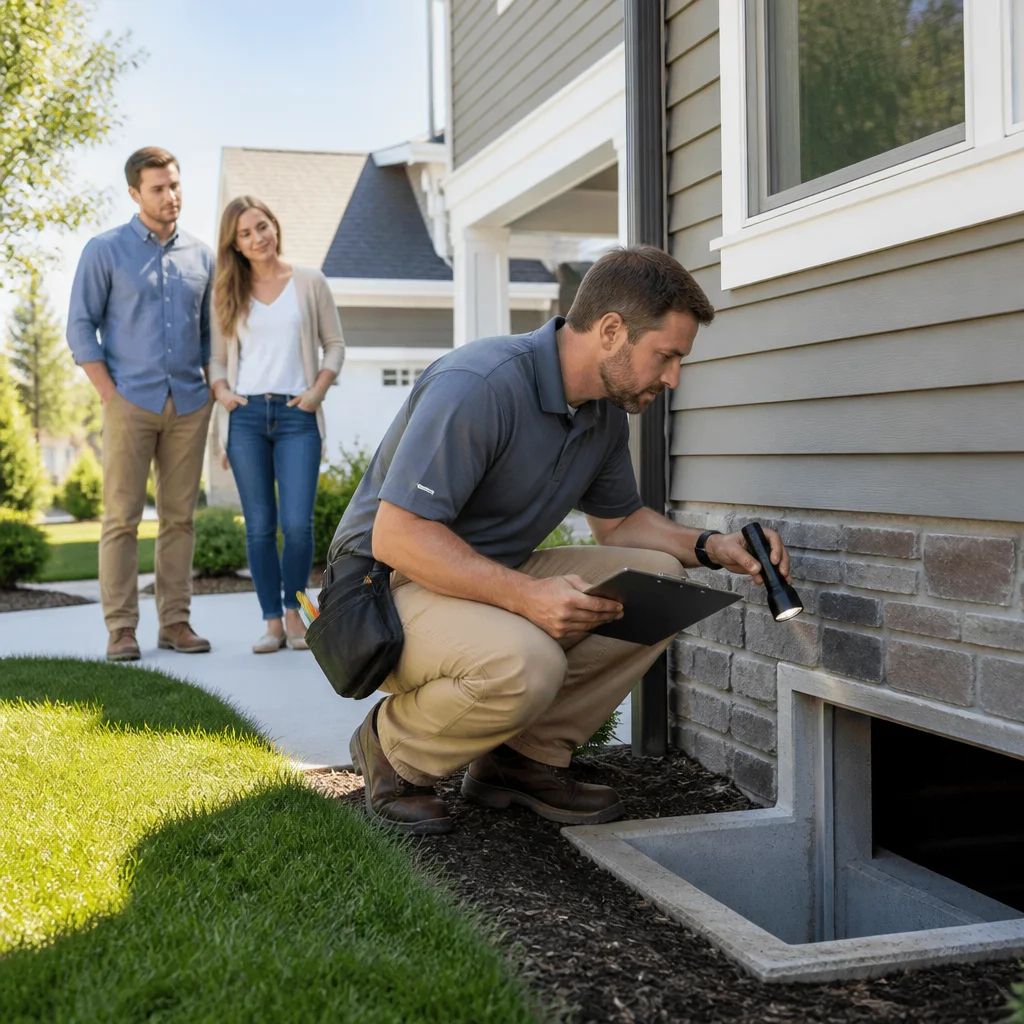
The inspection begins outside. We walk the perimeter, evaluate the foundation, check the grading for drainage issues, and assess the condition of siding, brick, or stucco. We then move to the roof, using binoculars or, when safe, climbing to inspect shingles, flashing, and vents up close. This careful exterior evaluation catches weather-related damage early.
Inside, we check every system methodically. We don’t simply turn on a faucet; we test water pressure, listen for unusual noises in pipes, and check for evidence of past leaks. We inspect the electrical panel for code violations, double-tapped breakers, or outdated components. We run the HVAC system and listen for proper operation. If something seems off, we investigate rather than note it as acceptable.
For new construction homes, we conduct safety checks that verify the builder followed proper codes and completed work to specification. New doesn’t always mean perfect, and new construction inspections catch framingissues, incomplete installations, or quality concerns before you take possession.
Understanding Your Detailed Inspection Report
Within hours of your inspection, you’ll receive a detailed written report. This isn’t a vague summary; it’s a comprehensive document that walks you through every finding, organized by system and location.
Our reports include photographs of significant issues, making it easy to understand exactly what we found and where. We categorize findings by severity: items that need immediate attention, items that should be addressed soon, and items to monitor. This tiered approach helps you prioritize repairs and budget accordingly.
Each finding is explained in plain language, not technical jargon. If we identify a cracked heat exchanger, for example, we explain what it does, why it’s failing, and what repair or replacement entails. If we note that GFCI outlets aren’t installed in bathrooms (a safety code requirement), we clarify the risk and what installing them would involve.
The report also includes our observations about maintenance and upgrades. If a roof is aging but still functional, we’ll note its approximate remaining lifespan so you can plan for future replacement. If systems are well-maintained, we recognize that too. This balanced perspective gives you genuine insight into the property’s condition.
You can share your inspection report with your real estate agent, your lender, or a contractor for a second opinion on any major concern. The report is your property’s comprehensive health assessment and a resource you’ll refer back to for years.
Specialty Testing That Protects Your Investment
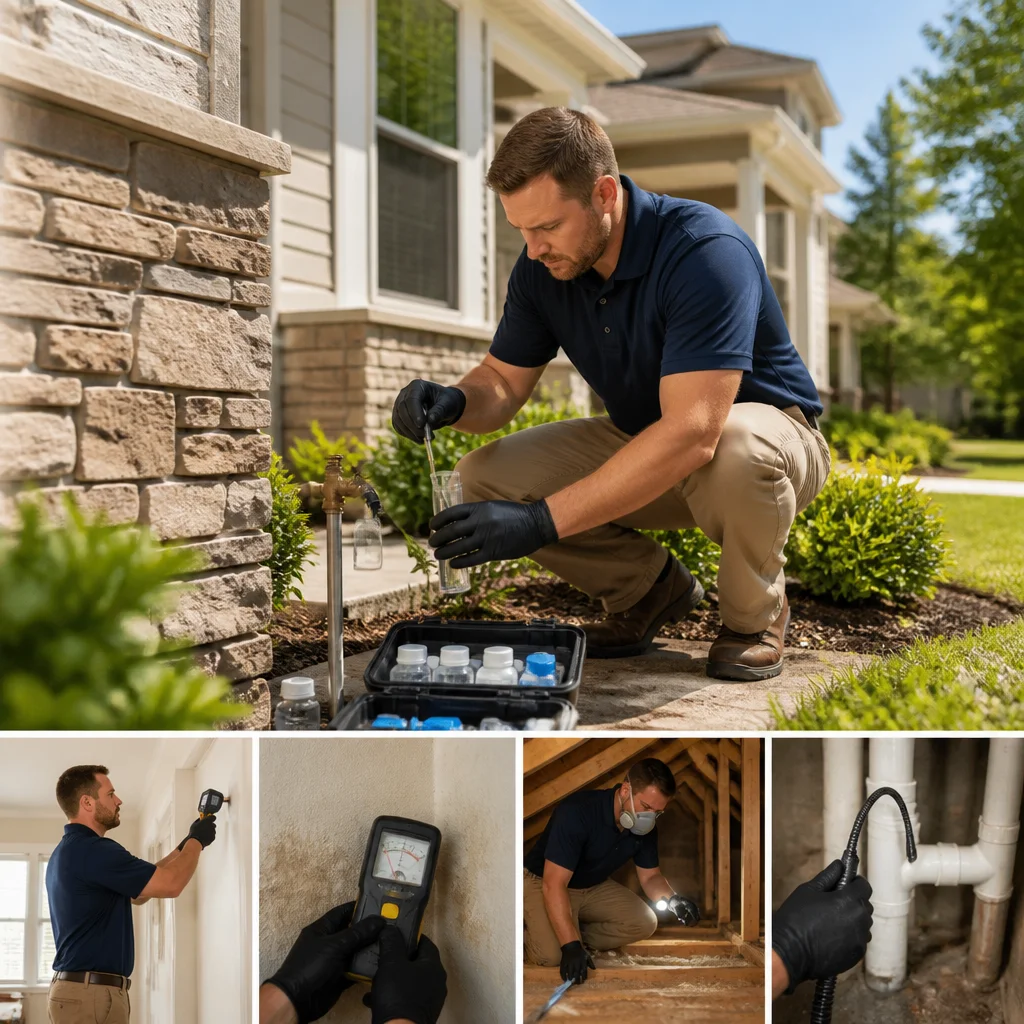
Not all home issues are visible during a standard inspection. Depending on the property’s characteristics or your concerns, specialty testing provides deeper analysis.
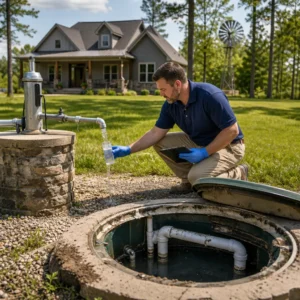
Water quality testing evaluates well water for contaminants, minerals, and safety issues if the home isn’t served by municipal water. Septic system inspections assess tank condition, drain field function, and compliance with local codes. These tests are essential in rural properties and can reveal expensive problems that would otherwise go undetected.
Pool and spa inspections verify equipment function, structural integrity, and safety compliance. A pool that appears clear might have failing pumps, deteriorating concrete, or plumbing leaks that would be costly to repair.
Lead paint testing identifies hazardous lead paint, which is a serious concern in older homes. Mold testing and assessment determine if moisture problems have created microbial growth that requires professional remediation.
We recommend discussing which specialty tests make sense for your specific property during your initial consultation. A home near the coast might benefit from salty-air corrosion assessment. An older home might warrant lead paint testing. A property with a well needs water quality analysis. These targeted services complement your general inspection and give you complete peace of mind.
Red Flags We Identify to Save You Money
Certain issues appear frequently enough that buyers should know what to watch for. Understanding common red flags helps you recognize when a property might require professional attention.
Outdated electrical systems, especially in homes built before the 1980s, often lack modern safety features and adequate capacity for today’s electrical demands. Foundation cracks aren’t always serious, but horizontal cracks or cracks wider than 1/4 inch warrant structural evaluation. Water stains on ceilings or walls suggest past or present roof leaks, and moisture is the enemy of home structural integrity.
Aging roofs showing missing shingles, significant granule loss, or sagging sections are likely nearing end-of-life and should factor into your purchase decision or negotiation. Plumbing failures, especially galvanized pipes or older cast-iron drain lines, often require system replacement rather than simple repair.
HVAC systems that are 15+ years old may be approaching failure. Improper grading around the foundation (where soil slopes toward the house instead of away) creates chronic moisture and foundation problems. Unpermitted additions or renovations can create liability, insurance issues, and safety concerns if work wasn’t done to code.
We document these issues clearly and explain their implications. Our goal isn’t to alarm you but to ensure you understand what each finding means for your investment and your family’s safety.
Same-Day Reports Keep Your Timeline on Track
Real estate timelines move quickly. Inspections are often scheduled for a specific date in your purchase agreement, and you need results fast to make decisions about renegotiation or repair requests.
We deliver detailed inspection reports on the same day we complete the inspection, usually within a few hours. This rapid turnaround keeps your timeline on track and allows you to respond promptly to your seller or your lender with findings and next steps. You won’t spend days waiting for a report or wondering about the property’s condition.
Same-day reporting also reduces stress. You get clarity immediately rather than prolonging uncertainty. If significant issues are found, you have time to consult with contractors, get repair estimates, or discuss options with your real estate agent before your contingency window closes.
Your Next Steps After Receiving the Inspection Report
Once you have your inspection report in hand, you have several options. If the inspection reveals no major issues, you can move forward to closing with confidence. If moderate issues are found, you might request that the seller make repairs or offer you a credit toward repairs you’ll handle after purchase.
For significant findings, you can negotiate repair or remediation before closing, request a credit, or use the findings as justification to renegotiate the purchase price. Some buyers hire contractors to provide estimates on major repairs, which informs negotiation discussions.
The inspection report also serves as a roadmap for future maintenance. Items noted as needing attention in the next few years become part of your home ownership plan. You now know when to budget for a roof replacement, water heater upgrade, or plumbing system inspection.
Schedule your professional home inspection as soon as your purchase agreement is in place. Our team at Fry Home Inspection is here to provide the thorough, detailed assessment your investment deserves. With over 3,700 inspections completed, we bring experience and expertise to every property we evaluate. Contact us today to schedule your inspection and receive a comprehensive report that protects your peace of mind.
Frequently Asked Questions (FAQ)
How long does a home inspection take, and when will we deliver our report?
We typically complete a comprehensive inspection in 2-3 hours depending on the property’s size and age. Our inspectors document everything during the walkthrough, and we deliver your detailed report the same day so you can make informed decisions without delays. This timeline keeps your purchase process moving forward while ensuring you have all the information you need.
What specialty testing do we recommend, and why does it matter for my purchase?
We offer targeted testing for septic systems, water wells, pools, and spas because these components can cost thousands to repair if problems go undetected. Our infrared thermal imaging identifies hidden moisture, insulation gaps, and electrical issues that standard inspections might miss. These additional assessments protect your investment by uncovering issues before you close on the property.
What happens if we find significant problems during the inspection?
We provide you with a detailed, professional report that clearly outlines any concerns we identify, ranging from minor maintenance items to major safety issues. This gives you the documentation you need to negotiate repairs or credits with the seller, or to make an informed decision about whether to proceed with the purchase. We focus on educating you about what we find so you understand the real implications for your new home.