Table of Contents
- Why Older Homes Require Specialized Inspection Attention
- Common Issues We Discover in Homes Over 20 Years Old
- Our Comprehensive Inspection Process for Aging Properties
- Advanced Technology We Use: Infrared Thermal Imaging Benefits
- Critical Systems We Evaluate in Established Homes
- What Our Detailed Same-Day Reports Include
- How Our Findings Help You Make Confident Purchase Decisions
- Special Considerations for Septic Systems and Water Wells
- Next Steps After Your Inspection Report Arrives
- Peace of Mind Through Professional Assessment
- Frequently Asked Questions (FAQ)
Why Older Homes Require Specialized Inspection Attention
Purchasing a home built in the mid-2000s or earlier means inheriting decades of wear, weather exposure, and building code evolution. Older homes carry unique characteristics that require specialized inspection expertise to uncover. We understand that buying an established property feels different from purchasing new construction, and that’s precisely why we approach aging homes with a focused assessment strategy tailored to their specific vulnerabilities.
Homes over 20 years old were constructed under different building standards, materials, and techniques than today’s homes. Electrical systems may not meet current capacity demands. Plumbing may rely on outdated materials prone to failure. Roofing, foundations, and HVAC equipment have accumulated two decades of stress from weather cycles and regular use.
What makes older homes distinct isn’t that they’re necessarily problematic, but rather that their systems follow different patterns of deterioration. A 25-year-old roof doesn’t fail the same way a 3-year-old roof does. Settlement patterns in a 30-year-old foundation tell a different story than cracks in a newly built home.
We’ve completed over 3,700 inspections across properties of all ages, and this experience shapes how we evaluate mature homes. We know which systems typically experience accelerated wear, where hidden damage commonly hides, and what questions to ask based on the home’s construction era. This specialized attention helps you understand not just what’s failing today, but what may require attention in the next few years.
Actionable takeaway: Schedule your inspection with an inspector who has substantial experience with homes from your property’s era. Ask how many older home inspections they’ve completed and what patterns they’ve observed.
Common Issues We Discover in Homes Over 20 Years Old
Our consistent findings in homes over 20 years old reflect predictable aging patterns. Roof material degradation ranks among the most frequent discoveries. Asphalt shingles installed in the late 1990s or early 2000s reach the end of their lifecycle around year 20-25, and we regularly observe curling, granule loss, and compromised flashing.
Electrical systems frequently need attention. Older homes may have insufficient panel capacity, outdated wiring insulation, or connections that no longer meet code. We document these conditions clearly so you understand whether upgrades are cosmetic improvements or necessary safety measures.
Plumbing complications emerge when original materials have corroded or frozen and thawed repeatedly. Polybutylene pipes (common in homes from the 1980s-1990s) are particularly vulnerable to premature failure. Galvanized steel supply lines may show mineral buildup that restricts water flow.
HVAC equipment approaching 20 years old rarely operates at peak efficiency. We assess whether systems can continue serving the home or whether replacement should factor into your purchase decision. Foundation settlement and moisture issues develop gradually over decades and warrant detailed evaluation.
Water intrusion represents another pattern we encounter frequently. Older windows, doors, and exterior cladding accumulate small failures that eventually allow water penetration into walls and attics.
Actionable takeaway: Request that your inspector provide close-up photographs of any roof, electrical, or plumbing observations. Visual documentation helps you share findings with contractors when requesting repair estimates.
Our Comprehensive Inspection Process for Aging Properties
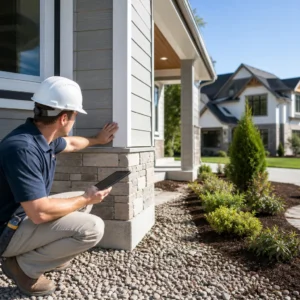
Our approach to inspecting older homes extends beyond the standard checklist. We begin with a thorough exterior examination, paying particular attention to roofing condition, foundation settlement, exterior cladding integrity, and drainage patterns around the perimeter.

The interior evaluation includes all accessible areas of the attic, crawlspace, basement, and mechanical rooms. We document the presence and age of major systems, then assess their condition relative to expected lifespan. For a 25-year-old home, we’re evaluating equipment that may be at or past its typical service life.
We examine every window and door, test electrical outlets throughout the home, and trace plumbing routes to identify materials and spot corrosion or previous repairs. HVAC systems receive particular scrutiny in older homes, including filter cleanliness, ductwork condition, and thermostat functionality.
Our inspection typically takes 3-4 hours for a standard residential property, allowing time for thorough evaluation without rushing. We take extensive photographs during the inspection to document conditions and support our written findings.
Actionable takeaway: Plan to accompany your inspector. Walking through the home together lets you ask real-time questions and see firsthand what we’re evaluating.
Advanced Technology We Use: Infrared Thermal Imaging Benefits
Thermal imaging reveals temperature variations invisible to the naked eye, making it particularly valuable in older homes where insulation gaps, air leaks, and moisture intrusion often hide behind walls and ceilings.
We use infrared cameras to scan exterior walls, attic spaces, and crawlspaces. In winter inspections, thermal imaging quickly identifies areas where heated interior air escapes through insulation failures or air leaks. In summer, it reveals where outdoor heat penetrates through inadequate insulation. These findings directly impact energy efficiency and long-term utility costs.
Thermal imaging also detects moisture accumulation before it becomes visible as mold or structural damage. Wet materials read at different temperatures than dry ones, and this contrast shows us where water penetration may be occurring.
We include free infrared scans as part of our comprehensive inspection service. This advanced technology costs us significantly, but we believe buyers deserve this level of detail when making such an important investment.
Actionable takeaway: During your inspection, ask your inspector to walk you through the thermal images. Understanding what you’re seeing helps you visualize problems that aren’t yet visible to the human eye.
Critical Systems We Evaluate in Established Homes
Our evaluation of older homes focuses intensely on systems that deteriorate predictably over time. We assess the roof from both exterior and interior perspectives, documenting material type, visible wear, flashing condition, and estimated remaining lifespan.
Electrical systems receive detailed attention, including panel condition, wire insulation integrity, outlet grounding, and any visible signs of overheating or previous damage. We identify whether the home relies on outdated circuit breakers or fuses, and whether panel capacity matches current household demands.
Plumbing evaluation includes water pressure testing, drain functionality, and visual assessment of pipe materials and connections. We note any signs of corrosion, previous repairs, or water staining that indicates leaks.
The foundation undergoes careful examination for cracks, settling patterns, water damage, and structural integrity. Basements and crawlspaces receive scrutiny for moisture, mold, and drainage issues.
HVAC systems are tested for heating and cooling capacity, thermostat accuracy, and equipment age. We note maintenance needs and whether components function within normal parameters.
Actionable takeaway: Request a system-by-system summary in your report. This breakdown helps you prioritize which items need immediate attention versus those that can wait.
What Our Detailed Same-Day Reports Include

We deliver comprehensive inspection reports the same day as your inspection, typically within 24 hours. Our reports aren’t one-page summaries; they’re detailed documents with photographs, system-by-system assessments, and clear explanations of findings.
Each report includes the approximate age of major systems, their current condition, and estimated remaining useful life. We photograph significant findings and integrate these images throughout the report so you can see exactly what we observed.
Our narrative explanations are written for homeowners, not engineers. We avoid unnecessary jargon and instead explain what each finding means for your home’s functionality and safety. If we identify a safety concern, we clearly distinguish it from cosmetic issues or minor wear.
The report organizes findings by priority level, making it simple to identify critical items requiring immediate attention. We note items that should be addressed soon, and those representing normal aging that doesn’t require urgent action.
Actionable takeaway: Schedule a report review call with your inspector. Walk through the findings together to clarify any questions and discuss the practical implications of major discoveries.
How Our Findings Help You Make Confident Purchase Decisions
An inspection report transforms uncertainty into concrete information. Instead of wondering whether that 25-year-old roof will last another few years, you have documentation of its actual condition. Rather than guessing at electrical capacity or plumbing integrity, you have professional assessment based on thorough evaluation.
This information becomes your negotiating foundation. If significant repairs are needed, you can request the seller address them before closing, negotiate a price reduction, or decide whether the property investment makes sense at the current asking price.
Older homes often carry lower purchase prices than comparable newer properties, and this discount reflects the reality of aging systems and potential repair needs. An experienced home inspection helps you understand whether the discount adequately compensates for anticipated expenses.
Many buyers use inspection findings to budget for upcoming replacements. If the roof has 5-10 years of useful life remaining, you can plan for replacement within that timeframe. If the HVAC system is near end-of-life, you factor that cost into your long-term ownership planning.
Actionable takeaway: Request a repair estimate from licensed contractors for any significant findings. This gives you concrete numbers rather than estimates based on assumptions.
Special Considerations for Septic Systems and Water Wells
Older homes in rural or suburban areas frequently rely on septic systems and private water wells rather than municipal services. These systems require specialized evaluation beyond standard home inspection.
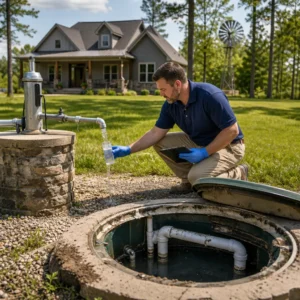
Septic system assessment includes evaluating tank condition, examining drainfield function, and identifying any signs of failure or improper maintenance. A failing septic system represents a significant expense and a potential health hazard. We test system function and document whether it meets current code requirements.
Water well evaluation includes testing water quality, assessing pump condition, and verifying proper construction and sealing. Well water should be tested for bacterial contamination, mineral content, and other quality indicators before closing.
These specialty services fall outside a standard inspection but are essential for older homes with private systems. We can coordinate specialized testing or refer you to qualified contractors who perform well and septic evaluations.
Actionable takeaway: If the home has a septic system or private well, budget for specialized testing as a separate service. These evaluations take time and may reveal issues that require professional remediation.
Next Steps After Your Inspection Report Arrives
Once you receive your detailed report, review it thoroughly before deciding next steps. Identify findings that concern you most, then prioritize which issues to address with the seller or through your own planning.
For significant concerns, obtain repair quotes from licensed contractors in your area. This gives you concrete numbers to support price negotiations or repair requests.
Share the inspection report with your real estate agent and attorney. They can advise on how findings affect your offer, negotiations, and closing timeline.
If you have questions about any finding, contact your inspector for clarification. We’re happy to explain observations, discuss implications, and help you understand your home’s condition.
Finally, plan a timeline for addressing findings that won’t be resolved before closing. Prioritize safety issues, then work through remaining items based on urgency and budget.
Actionable takeaway: Create a spreadsheet listing major systems, their age, estimated remaining life, and planned replacement timeline. This roadmap guides your homeownership planning for years to come.
Peace of Mind Through Professional Assessment
Purchasing an older home is a significant investment, and uncertainties about its condition can overshadow the excitement of ownership. Professional inspection transforms that uncertainty into knowledge.
We approach every older home with the attention it deserves, recognizing that homes over 20 years old have stories to tell through their condition. Our detailed evaluation, advanced technology, and clear reporting give you the confidence to make informed decisions about your purchase.
With over 3,700 inspections completed, we’ve earned the trust of home buyers throughout our service area. We’re committed to thorough assessment, honest reporting, and helping you understand your home’s true condition.
When you’re ready to inspect your older home, we’re ready to provide the detailed professional assessment you deserve.
Frequently Asked Questions (FAQ)
What makes inspecting homes over 20 years old different from newer properties?
Older homes have unique concerns that we address through specialized attention to systems that have aged significantly. We focus on identifying wear patterns in plumbing, electrical, roofing, and HVAC components that may be near the end of their service life. Our experience completing over 3,700 inspections means we recognize what’s typical aging versus what represents immediate safety or structural concerns.
How does our infrared thermal imaging help identify problems in established homes?
We use infrared technology to detect hidden moisture, insulation gaps, and thermal irregularities that wouldn’t be visible during a standard visual inspection. This is particularly valuable in older homes where previous repairs or settling may have created air leakage patterns or water intrusion issues behind walls and ceilings. The thermal images we include in your same-day report provide clear visual evidence of any problems we discover.
Will your inspection cover septic systems and water wells if the home has them?
We absolutely test both aerobic septic systems and water wells as part of our comprehensive assessment. Since these systems are critical to older homes that aren’t connected to municipal utilities, we evaluate their functionality and condition thoroughly. Our detailed findings help you understand any maintenance or replacement costs you might face after purchase.