A home can look move-in ready during a 20-minute showing and still have a roof nearing the end of its life, an unsafe electrical panel, hidden moisture behind a wall, or a heating system that cannot keep up with an Oklahoma summer. Home inspection services give buyers a clearer picture before the contract deadline and before a costly problem becomes theirs to solve.
For most buyers, an inspection is not about finding a perfect house. Even new homes have items that need correction. It is about understanding the property’s condition, separating routine maintenance from major concerns, and making a purchase decision with facts instead of assumptions.
What Home Inspection Services Actually Do
A professional home inspection is a visual, noninvasive assessment of the home’s readily accessible systems and components. The inspector evaluates how the major parts of the property appear to be performing on the day of the inspection and documents visible defects, safety concerns, and conditions that may need further evaluation or repair.
That typically includes the roof, exterior, foundation and structure, attic, insulation, interior rooms, doors and windows, plumbing, electrical systems, heating and air conditioning, fireplaces, and built-in appliances. The inspection also considers drainage, grading, ventilation, and other details that can affect the home over time.
The word “visual” matters. An inspector does not open finished walls, move personal belongings, dismantle equipment, or predict exactly when a system will fail. But a thorough inspection can identify warning signs that are easy to miss during a walkthrough, such as active leaks, improper wiring, inadequate attic insulation, damaged roof coverings, or signs of foundation movement.
A strong report should explain what was found in plain language. Buyers should come away knowing what needs immediate attention, what should be budgeted for, and what is a normal maintenance item rather than a reason to walk away.
Why Timing Matters Before Closing
The inspection period is one of the few points in a real estate transaction when buyers can ask questions without being committed to unknown conditions. Depending on the purchase contract, inspection findings may support repair requests, a credit negotiation, further review by a qualified specialist, or a decision to move on from the property.
That does not mean every report item should become a negotiation point. No house is flawless, and small concerns are common. Loose outlets, worn caulking, a slow-draining sink, or missing weatherstripping may be reasonable items to handle after closing. The bigger question is whether the property has defects that affect safety, function, or the buyer’s expected repair budget.
For example, a furnace that is operating but near the end of its typical service life is different from a furnace with a documented safety concern. A few cracked bricks may be cosmetic, while a pattern of cracking combined with drainage problems may call for a closer look. Context is what turns a list of observations into useful guidance.
What a Careful Inspector Looks For
A quality inspection is methodical. The inspector should not simply walk through rooms and point out visible flaws. The work requires checking accessible components, testing representative outlets and fixtures, operating systems when conditions allow, and looking for evidence that one issue may be affecting another.
Water is a good example. Water intrusion can begin with roof damage, failed flashing, poor grading, clogged gutters, plumbing leaks, or condensation. By the time staining appears on a ceiling or wall, the source may be somewhere else. The inspector’s job is to look at the whole picture and document the evidence clearly.
Electrical concerns also require more than a quick glance at the panel. The inspection may reveal double-tapped breakers, missing cover plates, improper grounding, damaged receptacles, open junction boxes, or outdated components that deserve review by a licensed electrician. Not every older feature is automatically unsafe, but buyers deserve to know what is present and whether it creates a current concern.
In Oklahoma, the exterior and attic deserve particular attention. Heat, wind, hail, expansive soils, heavy rain, and rapid weather changes can take a toll on roofs, drainage systems, foundations, and HVAC equipment. A home that has been well maintained may handle those conditions well. A home with deferred maintenance may show the effects in several places at once.
Infrared Imaging Adds Another Layer
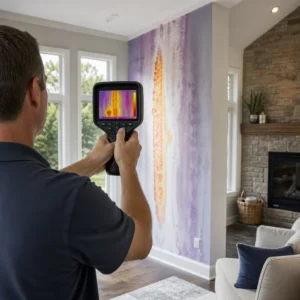
Infrared imaging can help identify temperature differences that are not obvious to the eye. When used properly, it may reveal possible moisture intrusion, missing insulation, air leaks, overheated electrical components, or irregularities around heating and cooling equipment.
Thermal imaging is not X-ray vision, and it does not diagnose every hidden issue on its own. A temperature pattern is a clue that needs to be evaluated alongside visible conditions and moisture readings when appropriate. Still, it is a valuable tool for looking beyond the surface. Fry Home Inspection includes an infrared scan with every home inspection because concealed concerns deserve a closer look when conditions support it.
When Additional Inspection Services Make Sense
A whole-home inspection is the foundation, but certain properties need more specialized evaluation. The right services depend on the home, its location, and the systems serving it.
A pool inspection can help buyers understand the condition of the pool structure, equipment, visible plumbing components, safety features, and operating functions. Pool repairs can be expensive, so a separate assessment is especially useful when the pool is older, has visible cracking, or has equipment that has not been regularly maintained.
For rural or semi-rural properties, aerobic septic testing and water well testing can be just as important as inspecting the house itself. A home may be attractive and structurally sound, but a malfunctioning aerobic system or a well-water issue can change the true cost and usability of the property. These systems should not be treated as an afterthought.
New construction also benefits from an independent inspection. Municipal inspections and builder quality checks serve important roles, but they are not a substitute for a buyer having a detailed assessment performed on their behalf. New homes can have incomplete work, installation errors, drainage issues, roof concerns, or mechanical defects that are easier to address before final closing.
How to Read an Inspection Report Without Getting Overwhelmed
A detailed report can feel intimidating, especially for a first-time buyer. It may contain dozens of notes, photographs, and recommendations. That level of detail is not necessarily bad news. A good inspector documents what is observed so buyers are not left guessing.
Start by separating findings into three practical groups: safety concerns, significant repairs or further evaluations, and routine maintenance. Safety items and major functional concerns should be your first priority. Next, focus on conditions that could lead to larger damage if ignored, such as active leaks, poor drainage, roof defects, or HVAC issues.
Then look at the home as a whole. If the report shows a few manageable items in an otherwise maintained property, that may be expected. If it shows repeated signs of neglected maintenance across the roof, plumbing, electrical, and structure, the buyer may need to reconsider the budget, request more information, or consult specialists before proceeding.
Your inspector should be available to explain the report and answer reasonable questions. The goal is not to make you an expert in every system. It is to make sure you understand what the findings mean for your decision.
Choosing an Inspector You Can Trust
Price matters, but the lowest inspection fee is rarely the best value if the work is rushed or the report is unclear. Buyers should look for an Oklahoma-licensed inspector with relevant experience, professional credentials, strong insurance coverage, and a reputation for communicating clearly.
Ask how long the inspection usually takes, whether the inspector performs the work personally, when the report will be delivered, and what tools are included. Same-day reporting can be especially helpful when contract timelines are tight, but speed should not come at the expense of careful work.
Real estate agents also benefit from dependable inspection partners. A thorough, balanced report helps clients make informed decisions while keeping the transaction grounded in documented conditions rather than speculation. The right inspector is not there to create fear or protect a deal. The inspector is there to protect the client’s ability to make a sound decision.
Buying a home will always involve some uncertainty. A careful inspection cannot remove every future repair from the equation, but it can replace a great deal of uncertainty with useful information. Before you commit to the property, give yourself time to understand what you are buying, what it needs now, and what you can reasonably plan for later.