

Table of Contents
- Why Septic and Well Inspections Matter More Than You Think
- The Hidden Risks of Skipping Professional Testing
- What Qualified Septic Inspectors Should Evaluate
- What Qualified Well Inspectors Should Evaluate
- Red Flags When Selecting an Inspection Company
- How Our Comprehensive Testing Protects Your Investment
- Same-Day Reports and Peace of Mind
- Our Active Military Discount and Additional Savings
- The Fry Home Inspection Difference in Specialty Testing
- Getting Started With Your Septic and Well Inspection
- Frequently Asked Questions (FAQ)
Why Septic and Well Inspections Matter More Than You Think
When you’re evaluating a property with a septic system or private water well, you’re dealing with critical home systems that directly affect your family’s health and your property’s resale value. Unlike municipal water and sewer services that are monitored and maintained by local utilities, these systems are entirely your responsibility once you own the property. A failing septic tank can cost $3,000 to $25,000 to replace. A contaminated well can render your water unusable and create serious health risks.
This is why septic and well inspectors serve a different function than a standard home inspection. While a comprehensive home inspection evaluates the overall condition of a property’s structure and major systems, septic system inspection and well water testing require specialized knowledge, equipment, and testing protocols. These aren’t add-ons you should skip. They’re foundational due diligence that protects your investment and your family’s wellbeing from day one.
The Hidden Risks of Skipping Professional Testing
Many home buyers assume that if a septic system “seems to work” during their initial walk-through, it’s fine. This thinking has cost countless families tens of thousands of dollars in emergency repairs and health complications. Septic systems fail gradually in ways that aren’t always visible. A tank might be structurally failing, drainfield lines might be saturated, or the system might be operating far beyond its design capacity without any obvious signs until catastrophic failure occurs.
Water wells present similar hidden dangers. A well can produce clear, good-tasting water that still contains harmful bacteria, nitrates, or other contaminants that only show up in lab testing. Bacterial contamination can cause serious illness. High nitrate levels often indicate deeper groundwater issues that suggest long-term problems. Without professional water well testing, you won’t know these risks exist until your family is affected.
Professional testing catches these issues before they become your emergency and your expense. A qualified inspector identifies whether a system is aging, under stress, or failing so you can make an informed offer, negotiate repairs, or walk away entirely.
What Qualified Septic Inspectors Should Evaluate
A thorough septic system inspection goes beyond a surface-level assessment. Here’s what we look for:
Tank condition and structural integrity. We check for cracks, leaks, and signs of deterioration. An older tank nearing the end of its lifespan needs different consideration than a newer one in good condition.
Sludge and scum levels. Excessive buildup indicates that the system isn’t being maintained properly or is being overloaded. This directly impacts how much life remains in the tank.
Drain field performance. We evaluate whether the soil is absorbing effluent properly or if saturation has occurred. A failing drainfield is one of the costliest repairs a homeowner faces.
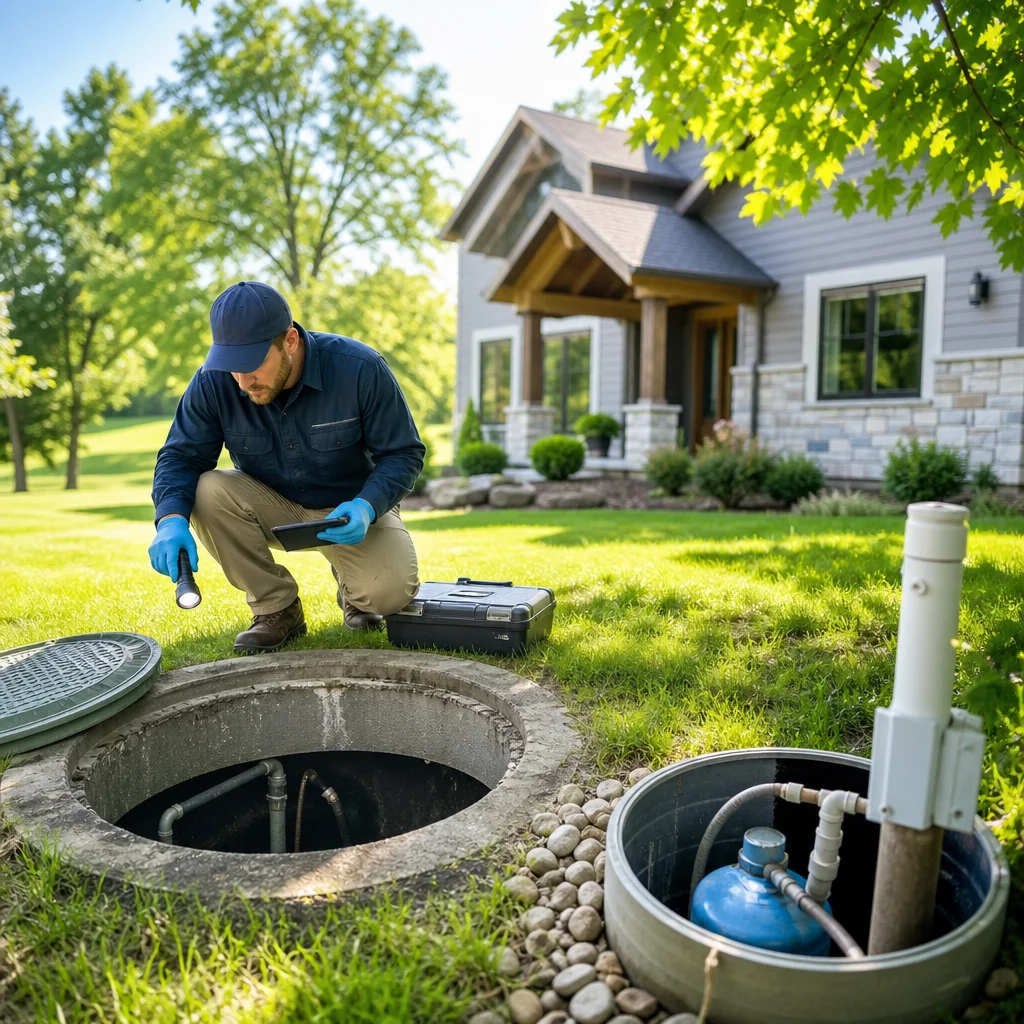
System sizing relative to household use. A three-bedroom home with a two-bedroom septic system is operating under stress from day one. This mismatch creates premature failure.
Access points and compliance. We verify that the system can be properly maintained and pumped, and that it meets current local codes.
A qualified septic inspector also documents findings with photographs and provides clear explanations of what they found and what it means for your ownership going forward.
What Qualified Well Inspectors Should Evaluate
Water well testing is fundamentally different from septic inspection because it requires laboratory analysis of water samples. Here’s what comprehensive well water testing should include:
Bacterial contamination (coliform testing). This is the baseline test that indicates whether your water is safe to drink. Any positive result means the well needs treatment or repair.
Nitrate levels. Elevated nitrates suggest agricultural runoff, septic system influence, or other contamination sources. High levels are a red flag for ongoing groundwater quality problems.
pH and mineral content. These affect water taste, safety, and whether the water will corrode pipes or cause staining.
Additional contaminants based on location. Depending on your region, testing might include arsenic, radon, lead, or pesticide screening. A qualified inspector knows which tests matter for your area.
Well structure and safety. The physical well itself needs evaluation for proper casing, venting, and sealing to prevent surface contamination from entering the system.
We send water samples to certified laboratories and provide detailed results that explain not just what was found, but what it means and what options exist if problems are discovered.
Red Flags When Selecting an Inspection Company
Not all inspectors who offer septic and well testing have equal qualifications. Watch for these warning signs:
Vague or incomplete services. If a company lists “septic inspection” but doesn’t explain what they’re actually testing or evaluating, that’s a problem. Thorough work requires specifics.
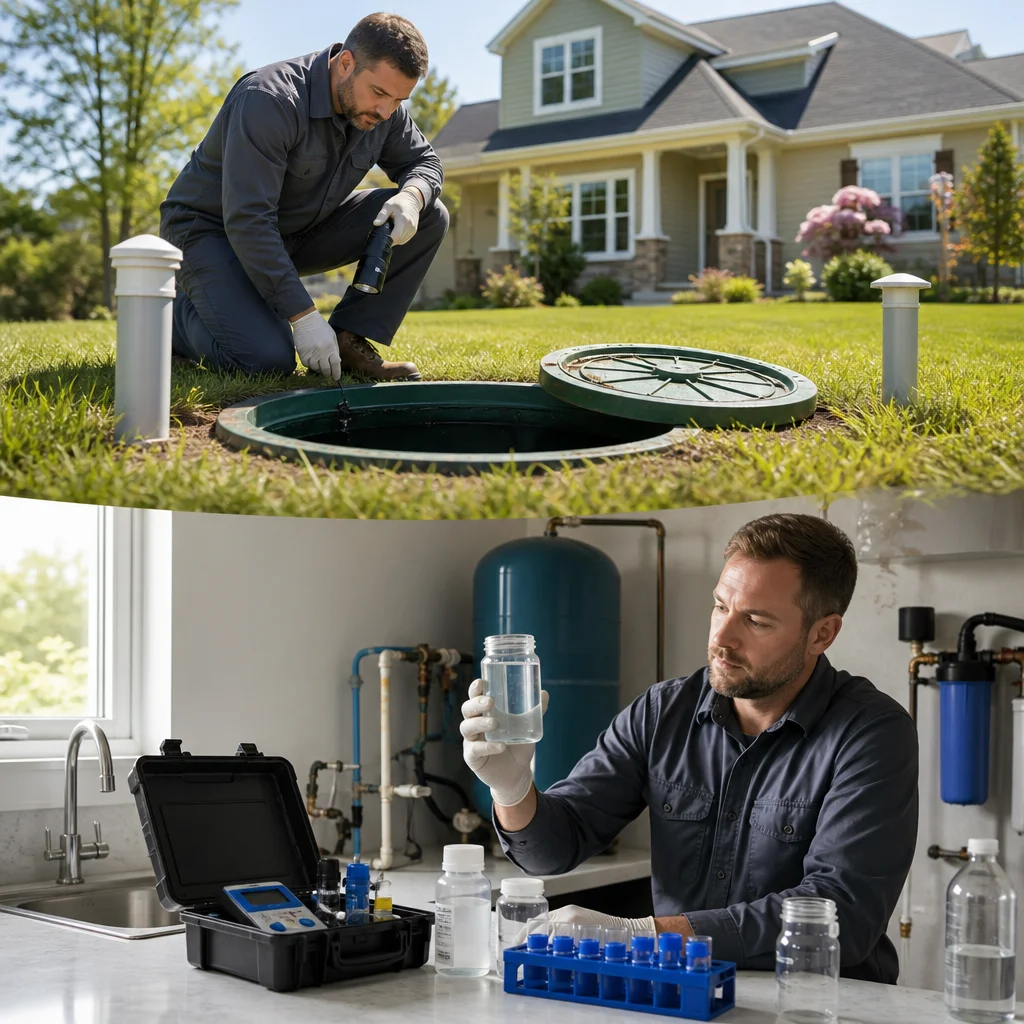
No laboratory partnerships for water testing. If well water testing isn’t backed by certified lab analysis, the results aren’t reliable. Don’t accept in-field testing alone as definitive.
Pressure to recommend expensive repairs immediately. A professional inspector identifies issues and explains options. They don’t pressure you into immediate action or recommend repairs that haven’t been fully verified.
Lack of detailed reporting or photographs. You should receive a comprehensive report with photos, measurements, and clear language explaining findings and next steps. Vague reports are a liability.
No membership in professional organizations. Inspectors who belong to organizations like InterNACHI maintain standards, continue education, and follow ethical codes. It’s a meaningful credential.
Unwillingness to explain their process. A qualified inspector welcomes questions about methodology, equipment, and reasoning. Evasiveness is a red flag.
How Our Comprehensive Testing Protects Your Investment
We approach septic and well testing as a critical part of your due diligence, not an afterthought. Our inspections combine detailed visual assessment with laboratory-backed water testing and specialized equipment to give you complete confidence in your decision.
For septic systems, we evaluate tank integrity, pumping history, drainfield conditions, and system sizing relative to your home’s needs. We document everything with photographs and provide clear guidance on what you’re dealing with. For water wells, we collect samples that go to certified laboratories for comprehensive testing. You get results you can trust, explained in language that makes sense.
We’ve completed over 3,700 inspections and bring deep experience to spotting systems that are aging, oversized, undersized, or failing. This expertise helps you avoid surprises after closing.
Same-Day Reports and Peace of Mind
One of the most stressful parts of the buying process is waiting days for inspection results while your offer sits in limbo. We deliver detailed reports the same day as your inspection, so you have the information you need immediately. Same-day reporting means you can move forward with confidence, renegotiate terms based on findings, or make a clear-eyed decision about whether to proceed.
Our reports include photographs, detailed findings, and explanations in straightforward language. You’re not guessing what the inspector meant. You have clarity on what was found, what it means, and what your options are.
Our Active Military Discount and Additional Savings
We’re committed to supporting those who’ve served our country. If you’re an active military member, we offer a dedicated discount on our inspection services. This is our way of saying thank you for your service while ensuring you get the professional assessment your family deserves.
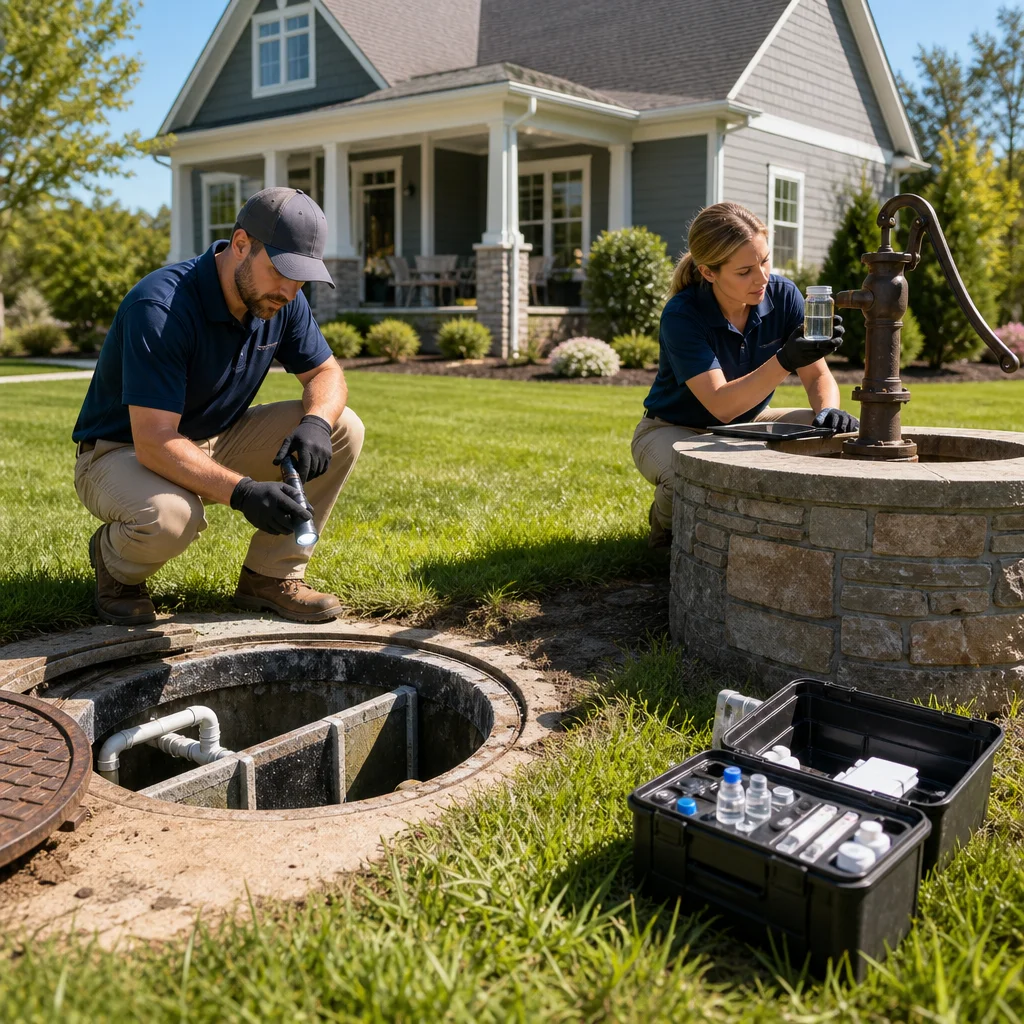
Ask about military pricing when you schedule. Combined with our comprehensive septic and well testing, you get professional-grade inspections at a respectful price point.
The Fry Home Inspection Difference in Specialty Testing
We don’t treat septic and well inspections as optional additions to a general home inspection. They’re specialized services requiring different expertise, equipment, and protocols. That’s why we focus on delivering thorough, detailed testing that gives you real answers, not surface-level observations.
Experienced Home Inspections backed by years of real-world experience mean we recognize patterns, potential problems, and system characteristics that less experienced inspectors might miss. We explain our findings clearly, answer your questions thoroughly, and provide recommendations based on what we’ve actually found, not generic checklists.
Getting Started With Your Septic and Well Inspection
When you’re ready to move forward, schedule your inspection with clear communication about what you need tested. Let us know if the property has a septic system, private well, or both. Share any known history about the systems if the seller has provided it.
On inspection day, we’ll conduct comprehensive testing, document findings with photographs, and provide you with a detailed same-day report. If questions arise after you’ve reviewed the report, we’re available to discuss findings and help you understand your options.
The investment in professional septic and well inspection is small compared to the cost of discovering problems after you’ve closed on the property. Schedule your inspection today and get the clarity you need to move forward with confidence.
Frequently Asked Questions (FAQ)
What exactly do you test when we inspect a septic system?
We conduct a thorough evaluation of your septic tank’s structural integrity, check for leaks or damage, assess the drain field condition, and verify that all components are functioning properly. Our inspectors also evaluate the system’s capacity relative to your home’s needs and identify any signs of failure or backup that could indicate costly repairs ahead.
Why is well water testing important, and what contaminants do you check for?
We test well water because it’s not regulated by municipal authorities the way city water is, leaving you responsible for ensuring it’s safe for your family. We analyze your water for bacteria, nitrates, pH levels, and other contaminants that could affect your health or indicate septic system problems affecting your well.
How quickly can we turn around our inspection reports?
We provide same-day reports on all septic and well inspections so you have the detailed findings you need to make confident decisions about your purchase without delays.